Why It Matters: Decarbonizing the Future
Understanding Our Carbon Crisis
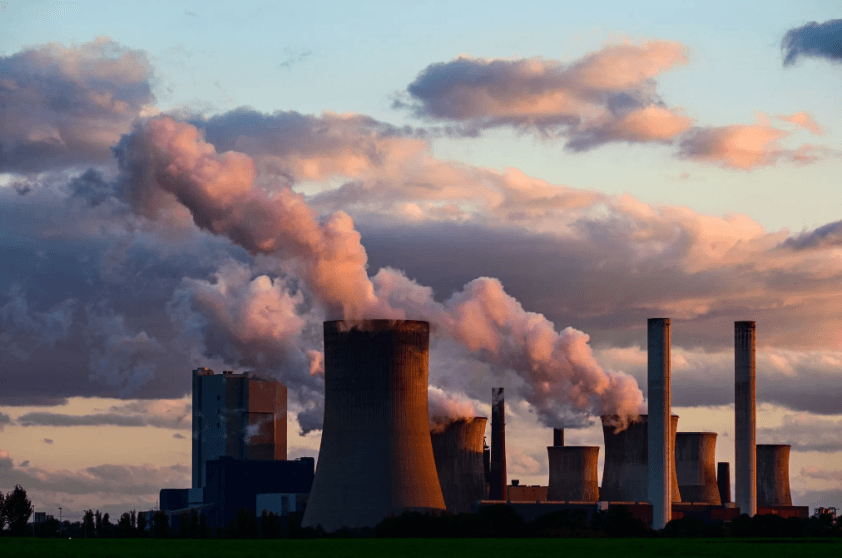
Burning carbon from coal, oil, and natural gas remains the primary driver of climate change, with emissions still rising. In 2025, global fossil fuel CO₂ emissions hit a record 38.1 billion tons, pushing atmospheric CO₂ over 52% above pre-industrial levels (now exceeding 429 ppm).
This excess carbon traps heat, driving higher global temperatures and destabilizing natural systems.
The result: intensified extreme weather like stronger storms, prolonged droughts, larger wildfires and rising sea levels threatening coastal cities, and disruptions to food production, water supplies, infrastructure, economies, and public health. These effects compound and grow harder to reverse.
Fossil fuels still dominate reliable, large-scale energy. Wind and solar help but are intermittent. Cutting emissions at scale while keeping the grid stable requires clean, constant 24/7 power.
Nuclear delivers near-zero carbon emissions, runs continuously at high capacity, and can directly replace fossil plants at existing sites.
Bottom line: Expanding clean baseload energy like nuclear is necessary to reduce emissions rapidly without sacrificing reliability.
AI's Explosive Energy Footprint
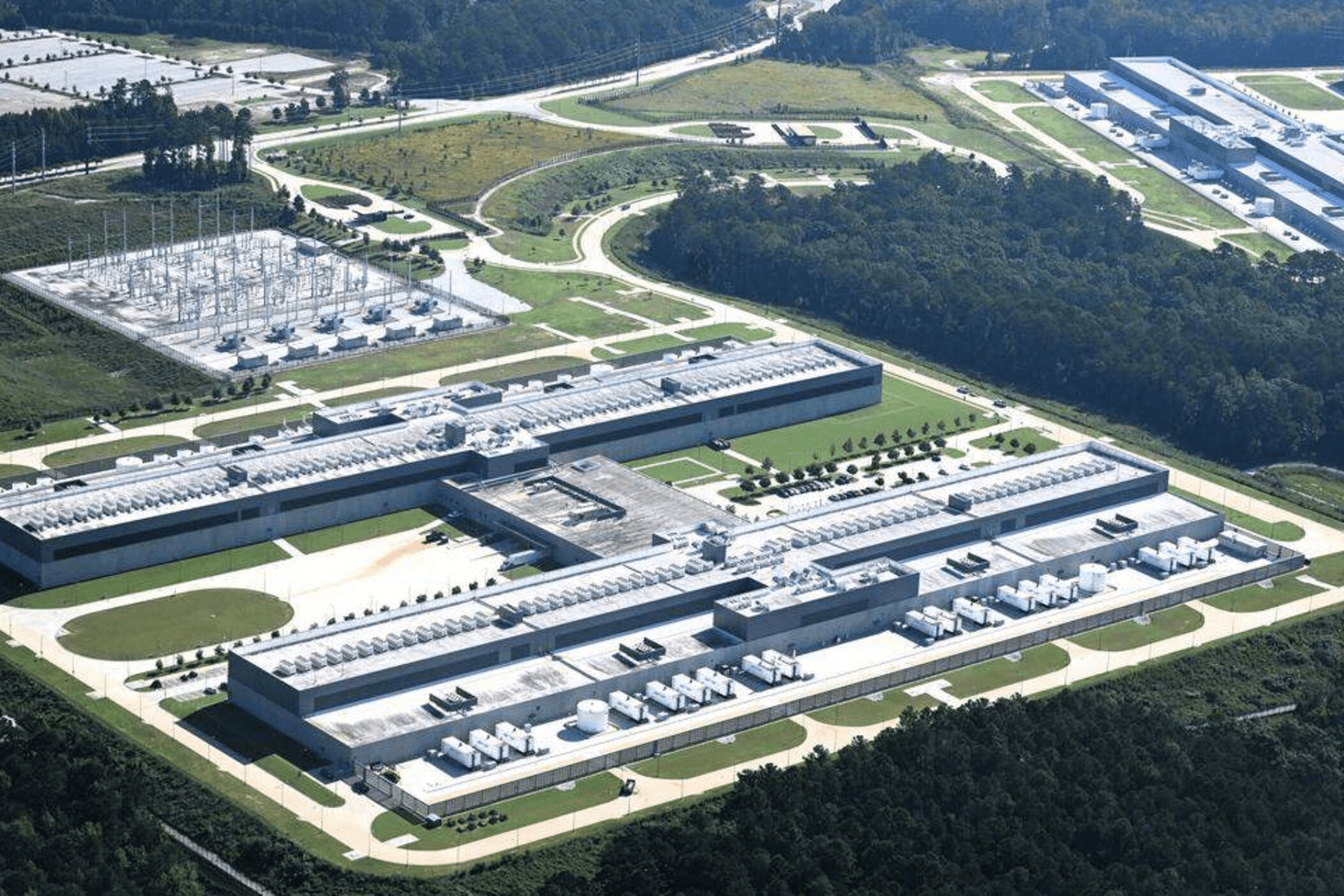
As AI systems and other large-scale models expand rapidly, data centers are being built at an unprecedented pace across the U.S. and around the world. These facilities demand massive amounts of constant, 24/7 power, with zero tolerance for downtime.
Much of that electricity currently comes from fossil fuels, including coal and natural gas. As a result, the explosive growth of AI is directly driving higher energy consumption and accelerating carbon emissions. More compute means more electricity, which still means more carbon.
AI isn't slowing down. Demand for compute is surging and will only continue to rise, making this energy demand locked in for the foreseeable future.
This is the critical inflection point. If we continue powering data centers with fossil fuels, we risk locking in decades of higher emissions. But if we pair AI's growth with clean, reliable baseload energy, particularly nuclear power, we can scale intelligence without scaling carbon.
Nuclear delivers the high-output, always-on power that data centers require, without the emissions that drive climate instability.
Bottom line: The future of AI and the future of energy are now inseparable. We cannot slow AI down. We must power it correctly.